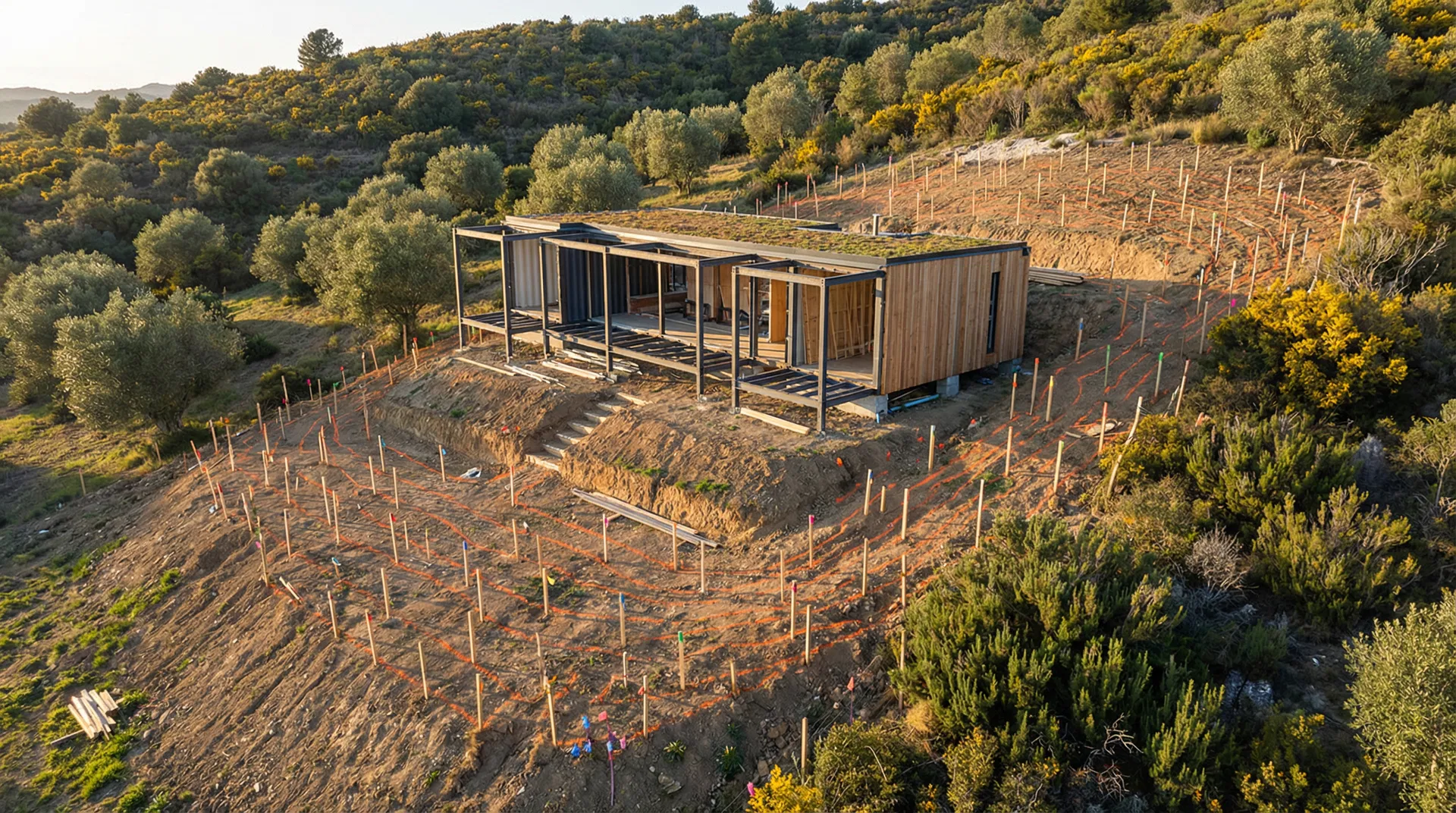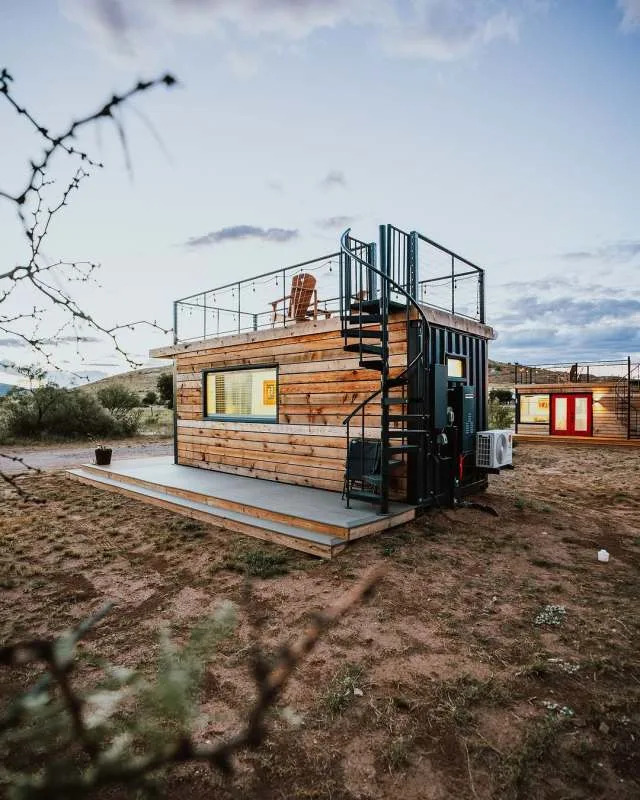

The Permitting Landscape for Container Homes
Container homes occupy an interesting space in building codes: they're not explicitly prohibited, but they're not explicitly addressed either. This means your approval path depends on how well you navigate standard residential codes and local zoning ordinances.
The good news: Container homes can meet all building codes when properly designed.
The challenge: You need to identify potential blockers early, before you've invested in design and engineering.
The Pre-Design Red Flag Scan
Before you fall in love with a design, check these six approval blockers:
1. Zoning: Is a Container Home Allowed Here?
What to check:
- Permitted use (single-family residential, ADU, etc.)
- Minimum square footage requirements
- Setback requirements (distance from property lines)
- Height restrictions
- Architectural review board requirements
Common blockers:
- Minimum 1,000 sq ft (containers are 320 sq ft each)
- "Stick-built only" language in covenants
- Architectural review boards that reject "industrial" aesthetics
How to address:
- Combine multiple containers to meet minimums
- Clad exterior to meet aesthetic requirements
- Seek variance or conditional use permit
- Choose a container-friendly jurisdiction
Red flag: If your zoning code explicitly prohibits "temporary structures" or "mobile homes," you may face an uphill battle
2. Foundation: What's Required and What's Allowed?
What to check:
- Frost depth requirements
- Foundation type restrictions (some jurisdictions require full perimeter foundations)
- Soil bearing capacity
- Flood zone requirements
Common blockers:
- Requirement for full basement or crawl space
- Prohibition on pier foundations
- Frost depth exceeding pier capacity
How to address:
- Engineered pier foundation with frost footings
- Hybrid approach: perimeter foundation with container on top
- Soil report demonstrating adequate bearing capacity
Red flag: If code requires "continuous perimeter foundation," pier foundations may not be approved without variance
3. Egress: Windows and Doors for Life Safety
What to check:
- Bedroom egress window requirements (minimum size, height above floor)
- Second means of egress for upper floors
- Door swing direction and landing requirements
Common blockers:
- Egress windows must be 5.7 sq ft minimum (standard container windows are smaller)
- Upper floor bedrooms need egress windows or exterior stairs
- Doors must swing outward and land on level surface
How to address:
- Design bedrooms with code-compliant egress windows
- Add exterior stairs or fire escape for upper floors
- Ensure door landings meet code (36" deep minimum)
Red flag: If you're stacking containers with bedrooms on upper floors, egress becomes complex and expensive
4. Fire Separation: Multi-Family and Property Lines
What to check:
- Fire separation distance from property lines
- Fire-rated assemblies for multi-family units
- Sprinkler requirements
Common blockers:
- Containers closer than 5 feet to property line need fire-rated exterior walls
- Multi-family containers need 1-hour fire separation between units
- Buildings over certain square footage require sprinklers
How to address:
- Maintain 5+ foot setback from property lines
- Add fire-rated drywall between units (Type X, 5/8")
- Design sprinkler system if required
Red flag: If you're building multi-unit container project, fire separation and sprinklers add significant cost
5. Stairs: Code-Compliant Access to Upper Floors
What to check:
- Minimum tread depth (10") and maximum riser height (7.75")
- Handrail requirements (34-38" height)
- Landing requirements (36" minimum)
- Headroom clearance (6'8" minimum)
Common blockers:
- Container interior height (7'10") limits stair headroom
- Exterior stairs need weather protection and code-compliant landings
- Spiral stairs have stricter requirements
How to address:
- Design stairs early (they consume significant space)
- Consider exterior stairs to preserve interior space
- Use alternating tread stairs for tight spaces (check local code)
Red flag: If you're stacking containers, stair design becomes a major space and cost driver
6. Energy Code: Insulation and Envelope Performance
What to check:
- Minimum R-value requirements for walls, roof, floor
- Air sealing and blower door test requirements
- Window U-factor and SHGC requirements
Common blockers:
- Steel thermal bridging makes it hard to meet R-value requirements
- Air sealing requirements are strict (3-5 ACH50)
- High-performance windows add cost
How to address:
- Continuous insulation strategy (spray foam + rigid foam)
- Careful air sealing at all penetrations and seams
- Budget for quality windows (U-factor 0.30 or better)
Red flag: If your jurisdiction has adopted latest energy code (2021 IECC or stricter), expect higher insulation and window costs
The Building Department Conversation
Before you design, have this conversation with your local building official:
- "Have you permitted container homes before?" (If yes, ask to see approved plans)
- "Are there any zoning restrictions on container structures?"
- "What foundation types do you typically approve?"
- "Do you require a PE stamp on structural calculations?" (Most do)
- "What energy code are you enforcing?" (Determines insulation strategy)
Pro tip: Bring photos of finished container homes (not construction photos) to show the quality level you're targeting
The Variance Path
If your project doesn't fit neatly into code, you may need a variance or conditional use permit.
When to pursue:
- Setback or height restrictions prevent your design
- Minimum square footage requirement is too high
- Foundation type restriction is incompatible with containers
Process:
- Application fee ($500-2,000)
- Public hearing (neighbors can object)
- Planning commission or board of adjustment approval
- 30-90 day timeline
Success factors:
- Demonstrate hardship or unique site conditions
- Show how your project meets code intent (even if not letter)
- Get neighbor support letters
- Hire local architect or attorney familiar with process
The Jurisdictional Strategy
Container-friendly jurisdictions tend to have:
- Recent code adoption (2018 IRC or newer)
- Experience with alternative construction
- Progressive zoning (allows ADUs, tiny homes, etc.)
- Rural or semi-rural character (less restrictive)
Container-challenging jurisdictions tend to have:
- Strict architectural review
- Minimum square footage requirements over 1,200 sq ft
- "Stick-built only" language in codes
- Homeowner association covenants
Pro tip: If you're site-shopping, call building departments before you buy land
The Approval Timeline
Typical timeline for container home permit:
- Plan preparation: 4-8 weeks
- Structural engineering: 2-4 weeks
- Building department review: 4-12 weeks (varies widely)
- Revisions and resubmittal: 2-4 weeks
- Permit issuance: 1 week
Total: 3-7 months from design start to permit in hand
Delays come from:
- Incomplete plans (missing details)
- Structural calculations not stamped by PE
- Energy code compliance questions
- Zoning issues discovered mid-review
Takeaway
Container home permitting is entirely feasible—but you must identify blockers early. Check zoning, foundation requirements, egress, fire separation, stairs, and energy code before you design. Have the building department conversation upfront. Budget time for engineering and plan review. Get these right, and your permit approval will be straightforward. Ignore them, and you'll face expensive redesigns and delays.