
The Engineering Reality of Container Openings
Cutting openings in shipping containers is where design meets structural reality. The good news: it's entirely feasible. The better news: understanding the engineering logic helps you make smart design decisions that balance aesthetics, cost, and structural integrity.
The Three Categories of Openings
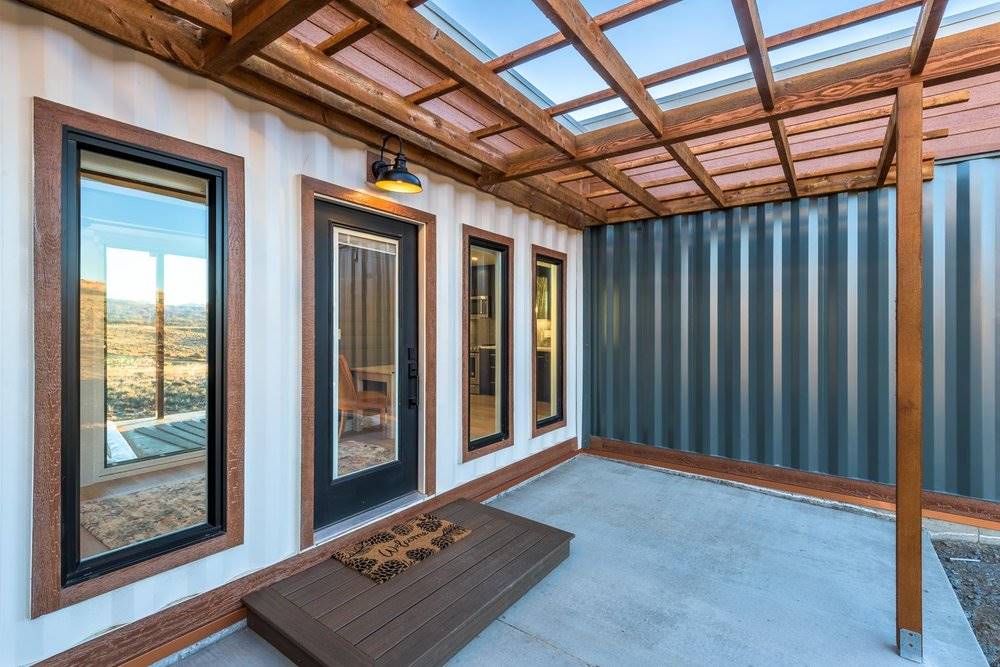
1. Simple Openings (Doors and Standard Windows)
What they are: Openings up to 6 feet wide in the corrugated walls
Structural impact: Minimal—the corrugation around the opening continues to provide lateral bracing
Reinforcement strategy:
- Steel tube frame around the opening perimeter
- Welded to the container's structural frame
- Standard window/door rough opening details
Cost multiplier: 1.0x (baseline)
When to use: Most residential door and window locations
2. Large Openings (Glass Walls, Wide Spans)
What they are: Openings 8-16 feet wide, or multiple openings on the same wall
Structural impact: Moderate—you're removing significant lateral bracing
Reinforcement strategy:
- Moment frame or portal frame spanning the opening
- Additional corner post reinforcement if near container ends
- Possible diagonal bracing or shear panels on adjacent walls
Cost multiplier: 1.5-2.5x
When to use: Living room glass walls, large sliding doors, dramatic views
3. Full-Wall Removal (Multi-Container Connections)
What they are: Removing an entire 8' x 40' wall to connect containers or create open plans
Structural impact: Major—the container becomes a beam with significant deflection potential
Reinforcement strategy:
- Steel I-beams or tube sections spanning the full length
- Engineered connection details at corners
- Possible floor/roof diaphragm reinforcement
- May require temporary shoring during fabrication
Cost multiplier: 3-5x
When to use: Multi-container homes, commercial spaces, dramatic open plans
Rules of Thumb for Reinforcement
When It's Simple:
- Opening is less than 50% of wall length
- Opening is centered on the wall (not at corners)
- Container is single-story or on bottom of stack
- Standard residential loads only
Action: Steel tube frame, standard fabrication
When It Gets Complex:
- Opening exceeds 60% of wall length
- Multiple large openings on same wall
- Opening is at or near container corners
- Container is cantilevered or in complex stack
- Heavy snow loads or high wind zones
Action: Engineered calculations, custom steel work, possible PE stamp
The Corner Proximity Rule
Openings within 4 feet of a corner require extra attention. Why? The corner castings are your primary load path. Cutting near them affects how loads transfer from roof to foundation.
Solutions:
- Reinforce corner posts with additional steel
- Use moment connections at corners
- Consider moving the opening away from the corner
- Accept the higher engineering and fabrication cost
Multi-Container Openings: The Connection Challenge
When you remove walls between containers, you're creating a structural joint that must:
- Transfer vertical loads (roof, snow, occupants)
- Resist lateral loads (wind, seismic)
- Accommodate thermal expansion/contraction
- Maintain weatherproofing
Best practices:
- Align containers precisely before cutting
- Weld structural connections before removing walls
- Use continuous steel members across the joint
- Detail flashing and sealants carefully
The Deflection Question
Large openings can create noticeable deflection (sagging) over time. This isn't always a structural failure—it's often a serviceability issue (doors won't close, finishes crack).
Deflection limits:
- L/360 for floors (typical residential)
- L/240 for roofs
- L/180 for walls with finishes
Translation: A 40-foot span should deflect less than 1.3 inches under full load
Cost vs. Impact: The Strategic Approach
High impact, reasonable cost:
- One dramatic 12-16 foot glass wall per container
- Corner windows (two walls meeting at 90°)
- Full-height sliding doors
High impact, high cost:
- Entire wall removal between containers
- Multiple large openings on same wall
- Cantilevered sections with glass
Low impact, avoid:
- Many small scattered windows (pay per opening)
- Asymmetric opening patterns (require custom analysis)
The Fabrication Sequence Matters
Order of operations affects both cost and quality:
- Cut openings before insulation/finishes (easier access, cleaner welds)
- Reinforce before cutting (maintain structural integrity)
- Install windows/doors after envelope work (protect openings during construction)
When to Bring in the Engineer
You need stamped calculations when:
- Local building department requires it (most jurisdictions)
- Opening exceeds 60% of wall area
- Container is cantilevered or in complex stack
- You're in high wind/seismic/snow load zone
- You want professional liability protection
Cost: $1,500-5,000 for typical residential project
Value: Peace of mind, building permit approval, insurance coverage
Takeaway
Cutting containers is a solved problem—but the solution varies with opening size and location. Small openings are straightforward. Large openings require thoughtful reinforcement. Full-wall removal is a steel project. Understand which category you're in, budget accordingly, and work with fabricators who know container logic. The result: dramatic openings that are both beautiful and structurally sound.